Impact-first roadmap
Two teams were funding the same untested assumption.
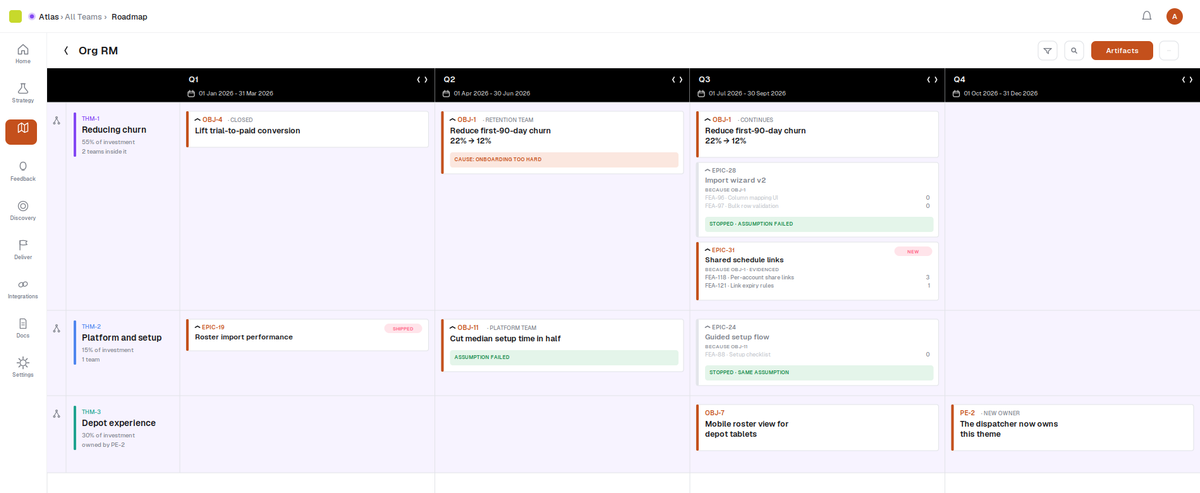
FlowDesk connected company themes, team objectives and delivery work on one roadmap. That made it possible to see that two teams were spending six weeks of engineering on different solutions to the same unsupported explanation for churn.
FlowDesk is an anonymized customer workspace. The theme, objective and delivery links used on this page can be inspected there.
A roadmap is more useful when every item can show which objective it supports and why that objective exists.
Steps 01–02
Leadership sets investment themes; teams define how they will contribute
FlowDesk has a 40-person product organisation with a retention team, a platform team and 400 customers.
A theme represents an organisation-level investment direction such as reducing churn, improving customer experience or entering a new market. It can carry a share of investment without prescribing the work each team must do.
Product teams then define objectives that explain how they intend to contribute to the relevant theme. FlowDesk's retention team chose an early-churn objective while the platform team chose an objective related to setup time.
Both objectives could reasonably support the churn theme. Putting them on the same connected roadmap made the relationship between the two plans visible.
Keeping themes and objectives in connected data makes it possible to inspect how team plans actually support company priorities.
Step 03 · January 2026
Connected objectives expose duplicate bets across teams
The retention and platform teams were building different features, but both plans depended on the same explanation for churn.
FlowDesk believed onboarding was too difficult. Because each objective could carry the assumption behind it, both teams' Q1 2026 plans showed the same underlying claim: onboarding difficulty was causing churn.
The duplication was therefore visible at the level that mattered. Two teams were funding six weeks of engineering against the same unverified claim, even though they planned to build different features.
Import wizard v2
Four weeks, two features. Assumes the blocker is effort.
Guided setup flow
Two weeks, one feature. Assumes the blocker is effort.
Steps 04–05
Use one roadmap at different levels of detail
Board, leadership, product and engineering views can show different levels while remaining connected to the same underlying items.
Because each item knows its parent, the roadmap can show themes to a board, objectives to leadership, epics to product teams and features to engineers without creating separate planning artefacts.
The level of detail changes for the audience, but updates continue to come from one connected structure. That reduces the drift that occurs when slides, spreadsheets and delivery systems each contain a separate version of the plan.
Step 06 · February 2026
When evidence changes, show what should stop and why
A roadmap needs to represent work that was intentionally stopped as well as work that is planned, underway or shipped.
Evidence showed that the churning accounts had already completed onboarding. Because both teams' planned work was connected to the same assumption, FlowDesk could see in February which epics should be stopped before more engineering time was committed.
The roadmap distinguishes planned work, work in progress, work stopped with a reason, and shipped work that is still being assessed. That preserves changes in direction instead of making each quarterly roadmap look as though the earlier plan never existed.
A roadmap should make it easy to change a plan when the evidence changes, while preserving the reason for that change.
Investment share
Keep investment allocation separate from the assumptions underneath it
The share of investment can remain sensible even when the team's explanation for a specific problem changes.
FlowDesk continued to allocate most of its investment to reducing churn throughout the year because the business priority remained valid.
The research changed who the company understood as an important user. Dispatchers did not appear in the plan in January; by February, the depot experience had a persona and a clearer case for future investment.
February 2027
Use the roadmap itself for the review
By February 2027, the same timeline showed what had been planned, what had stopped and why, what had shipped, and which outcomes were still being assessed. The churn objective remained open at 15% against a 12% target, so the review did not require a separate reconstruction of the quarter.
The Roadmap Alignment Problem
Most organizations struggle to connect strategic intent with product execution
Strategy Disconnect
Leadership defines themes and strategic pillars in PowerPoint. Product teams plan features in separate tools. No one sees how they connect.
Cross-Team Chaos
Multiple teams building toward the same goal with zero coordination. Duplicate efforts, conflicting timelines, wasted resources.
Timeline Misalignment
Organizational quarters don't match product sprints. Strategic initiatives have deadlines but no visibility into what's actually getting built when.
Two Roadmaps. One Timeline. Perfect Alignment.
Organizational strategy meets product execution on a unified visual timeline
Built for Real Roadmap Planning
Visual Timeline Planning
Grid-based timeline with swimlanes (themes or product areas) on the vertical axis and intervals (quarters, releases, sprints) on the horizontal. Every work item visible in its timeframe and context.
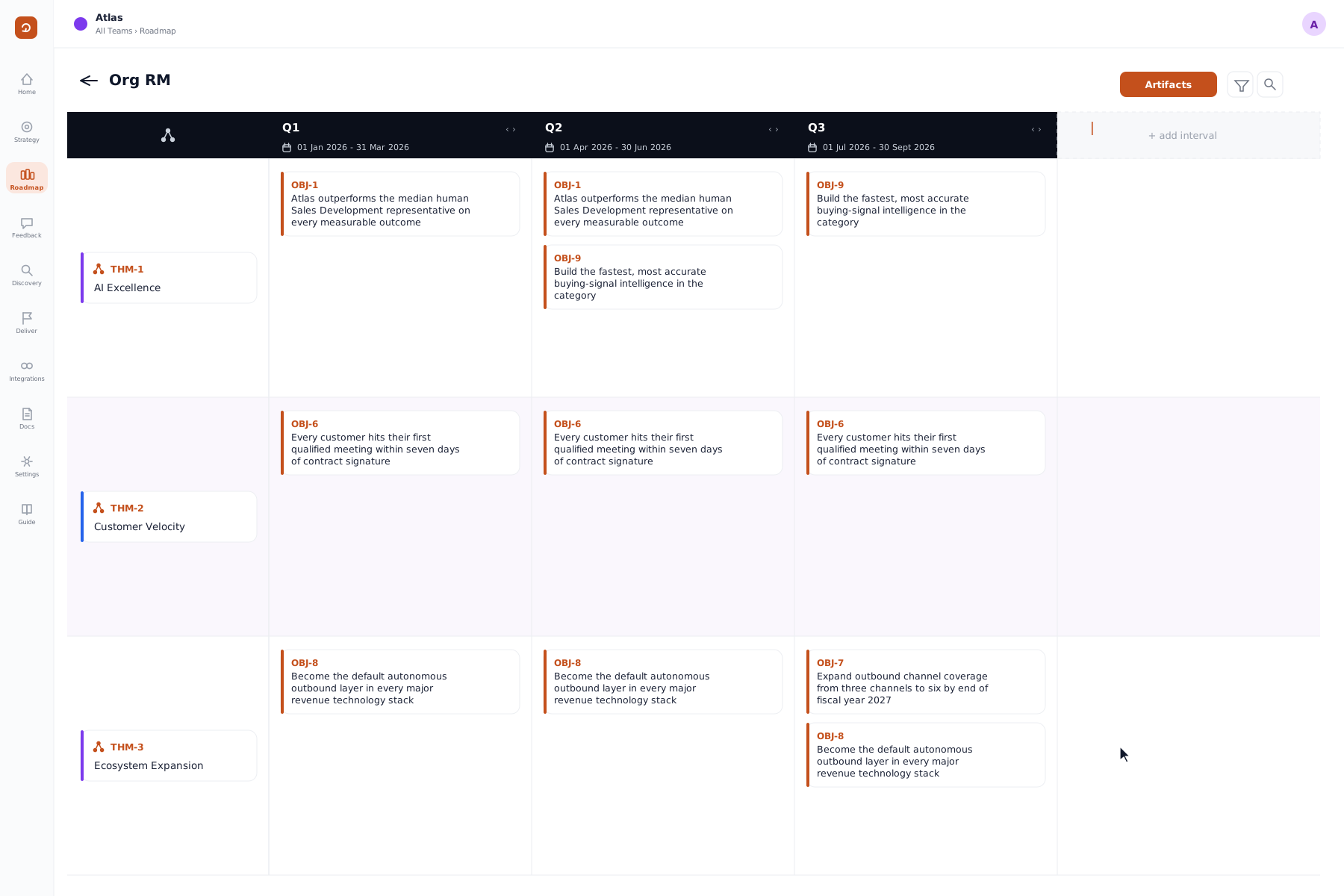
Drag-and-Drop Planning
Drag objectives, epics, or features from the backlog directly onto the timeline. Move between intervals, change swimlanes, reorganize on the fly. Changes sync instantly across teams.
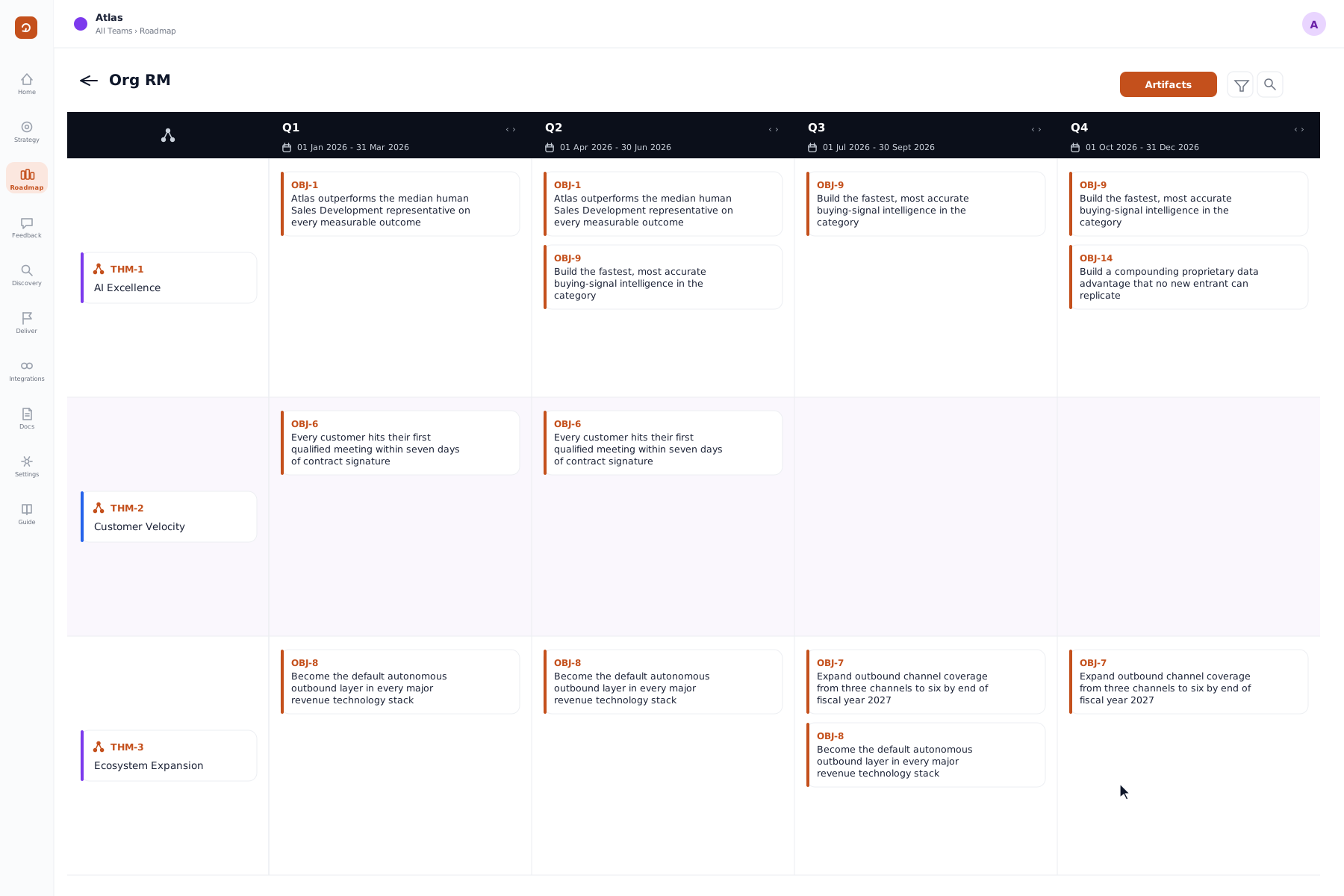
Theme-Based Alignment
Organizational themes become the organizing principle for all product work. Leadership defines themes with investment allocations. Product teams plan objectives within those themes. Everyone sees the connection.
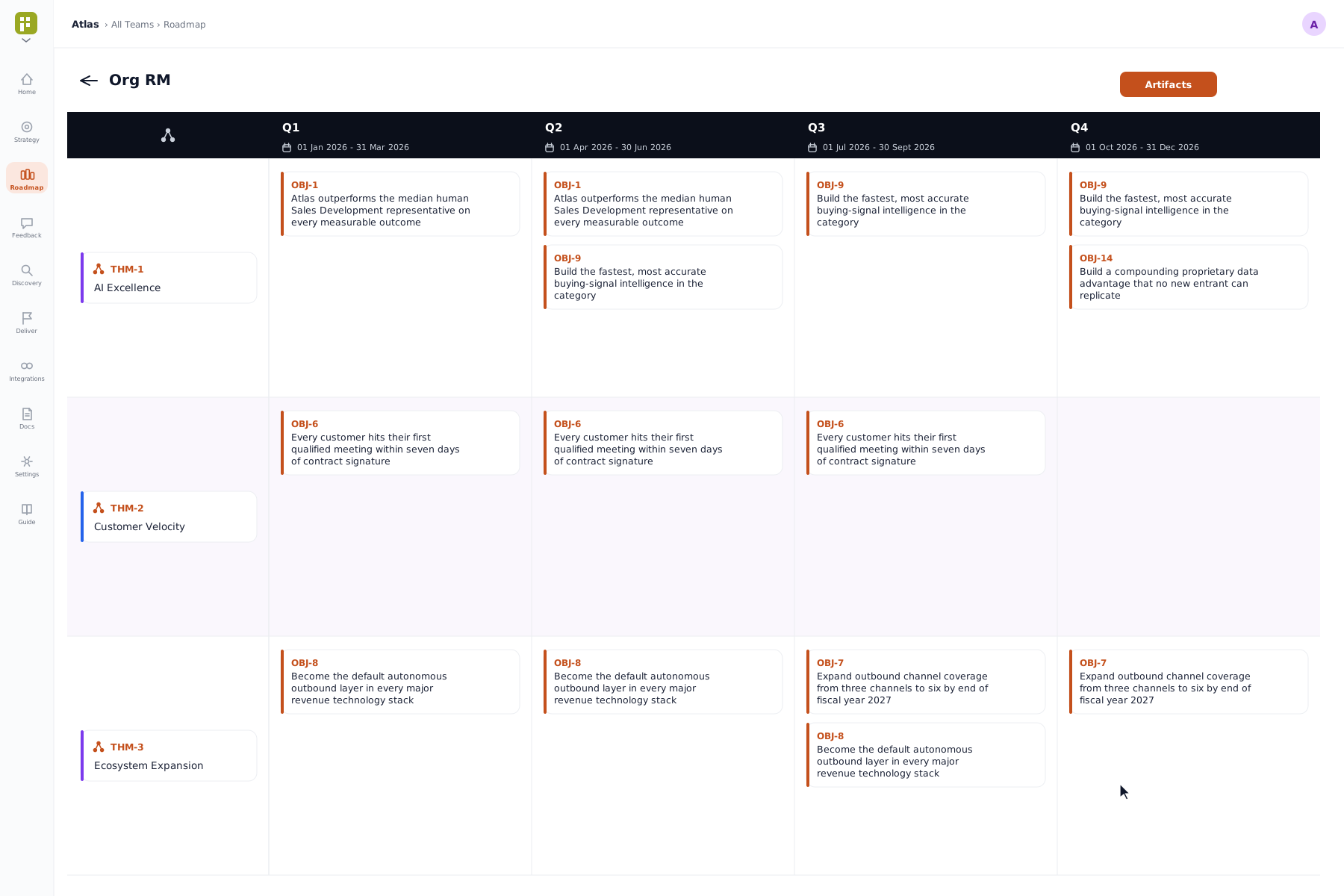
Hierarchical Work Items
Three-level hierarchy: Business Objectives contain Epics, which contain Features. Plan at any level. Drill down for details. Roll up for the big picture. Move a parent, children follow automatically.
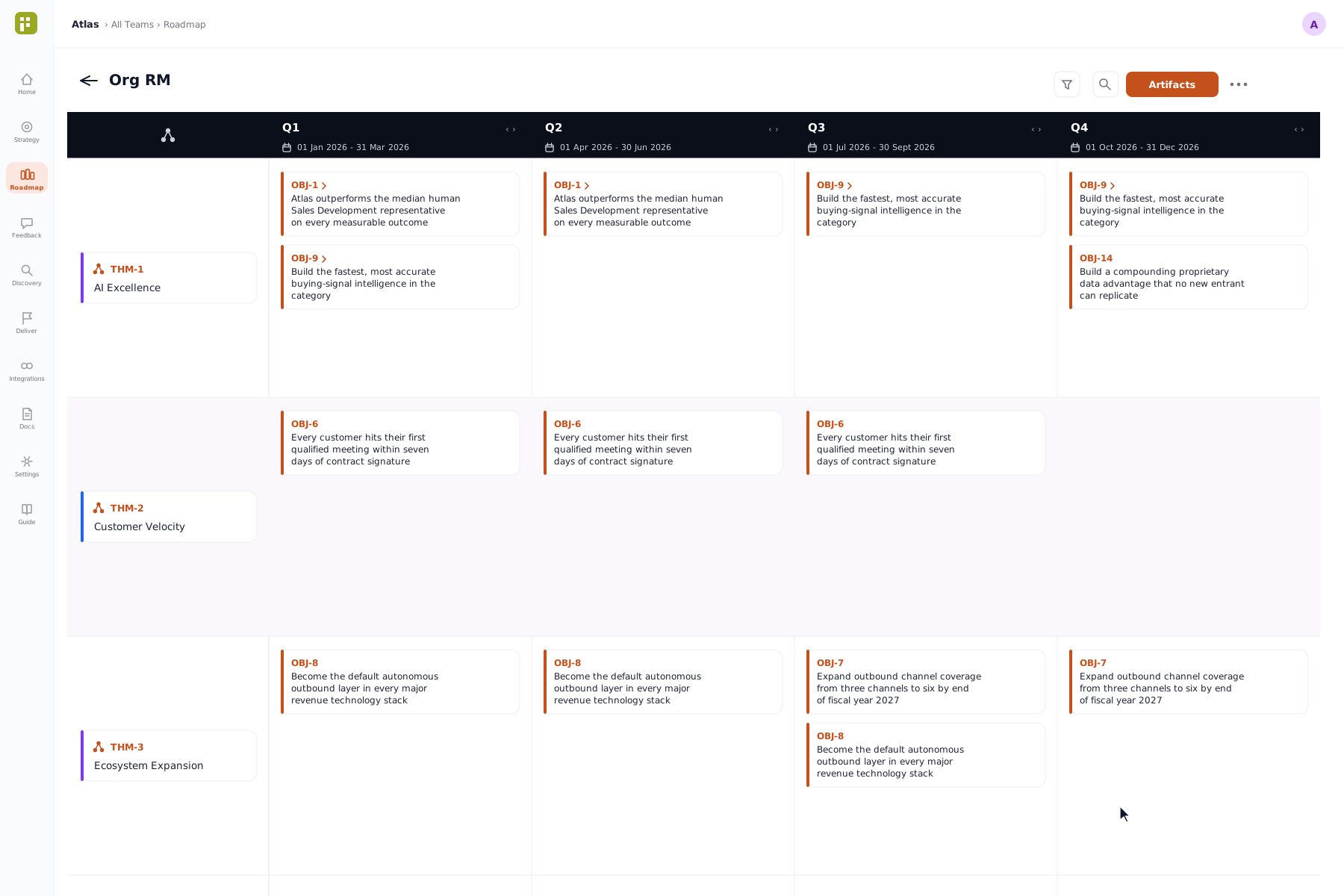
Multi-Team Collaboration
Real-time updates across all connected sessions. User and team assignment. Status tracking. Progress indicators. Search, filter, and focus on what matters to each stakeholder.
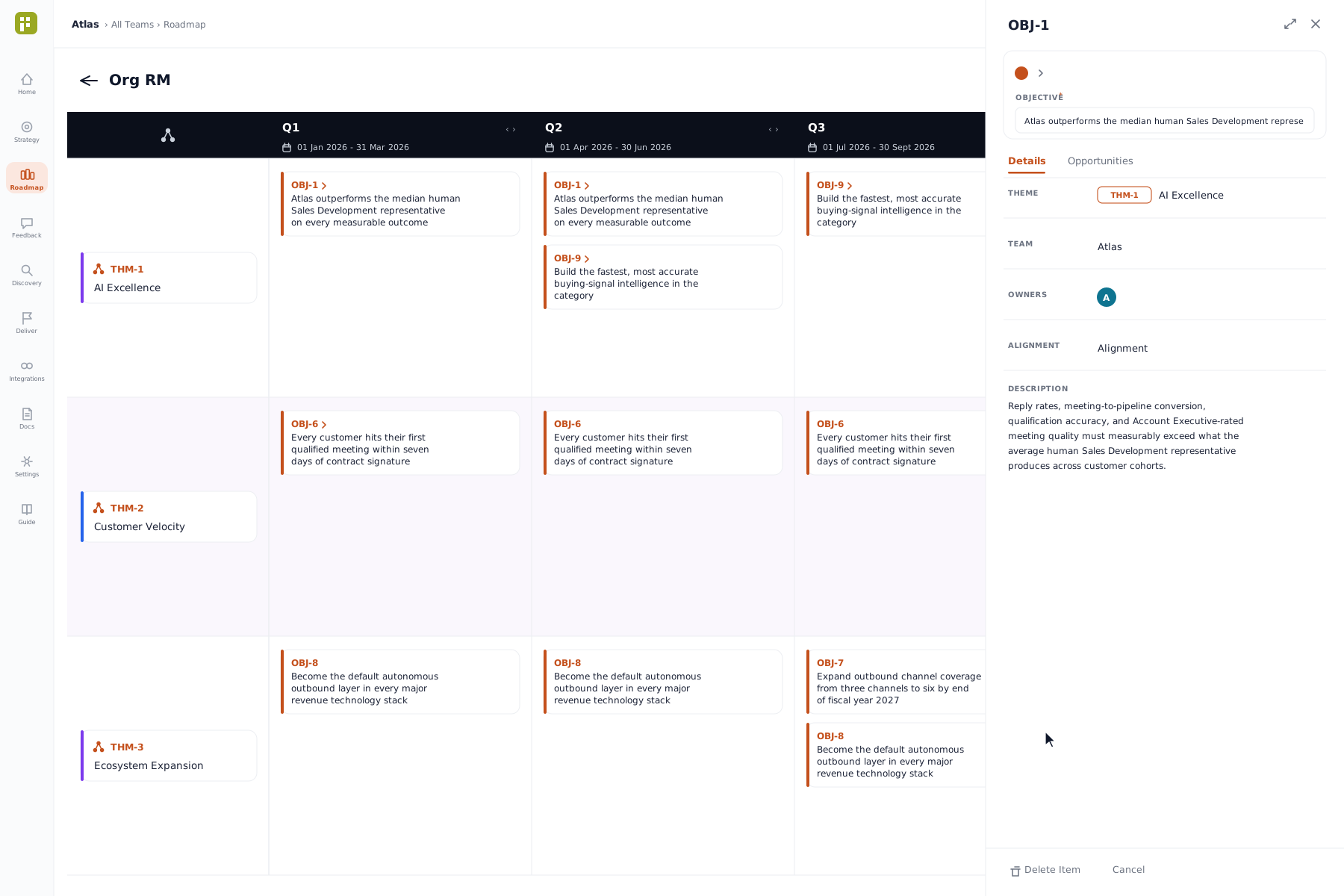
Strategy Board Integration
Objectives planned on your roadmap can trace back to opportunities and solutions on your strategy board. Validated experiments become scheduled features. Strategy informs roadmap. Roadmap validates strategy.
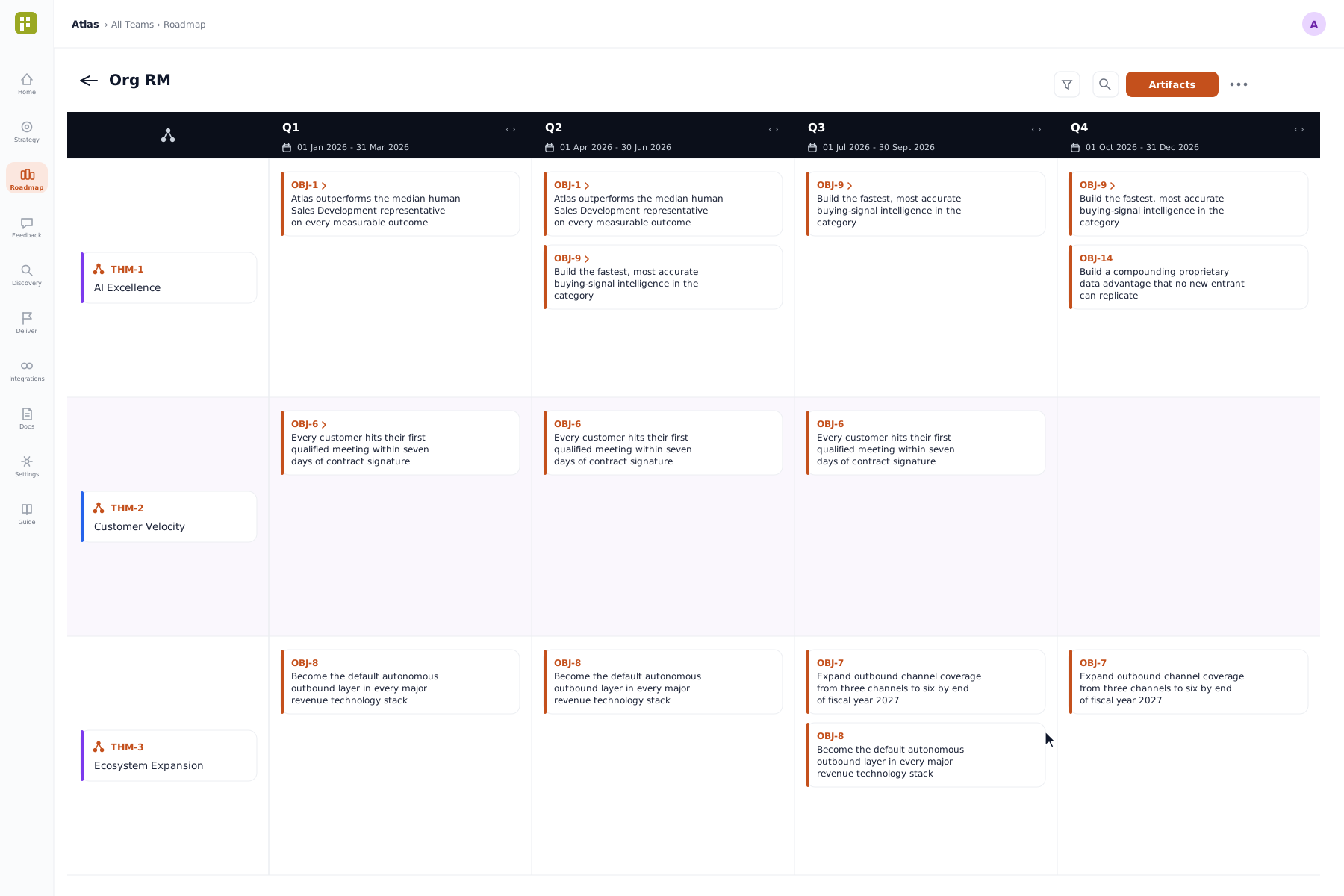
## How Teams Use Two-Level Roadmaps
Enterprise Product Organization
Aligning 12 product teams to 4 strategic themes
The Results
- **100% visibility into theme-to-delivery alignment**
- **Eliminated 3 duplicate initiatives across teams**
- **Identified underinvestment in Security (only 12% vs target 20%)**
- **Quarterly planning meetings reduced from 8 hours to 2 hours**
Fast-Growing Startup
Scaling from 1 to 5 product teams without losing focus
The Results
- **Scaled from 1 to 5 teams without planning chaos**
- **CEO visibility into all work on a single screen**
- **New teams onboard to planning process in under 1 hour**
- **Strategic themes guide hiring and resource allocation decisions**
Platform Company
Coordinating product and platform team dependencies
The Results
- **Zero launch delays due to platform dependencies in 6 months**
- **Platform team roadmap driven by actual product needs**
- **Product teams can see platform capacity before committing**
- **Reduced cross-team planning meetings by 60%**
What people ask about roadmap planning
Who sets the themes, and who sets the objectives?
Themes are organisation-level investment directions and are usually set by leadership. Product teams then define objectives that explain how they intend to contribute to the themes relevant to them. This keeps strategic direction separate from prescribing team-level solutions.
Is this a timeline roadmap or a now-next-later one?
The time intervals are configurable. You can use quarters, releases, sprints or broader horizons. The important structure is the connection from themes to objectives and then to delivery work.
Can I show a different level to different audiences?
Yes. The same roadmap can show themes and investment to a board, objectives to leadership, epics to product teams and features to engineers. Each view reads from the same connected structure.
Won't dates turn into promises?
Dates can become promises when the roadmap only distinguishes planned from done. Shorter Loop can also show work that was stopped with a reason and shipped work that is still being assessed, which makes changes in direction explicit.
How does this catch duplicate work across teams?
Because objectives carry the assumption they rest on, two teams betting on one belief appear under the same theme with the same badge. In the anonymized FlowDesk example, the duplicate is two teams funding one unsourced claim while building different features.
We're one team. Do we need two levels?
Probably not yet. Use objectives on a timeline and add themes when you have more teams than you can hold in your head, usually around the third one.
Connect your themes, objectives and delivery work on one roadmap.
Use the same underlying plan at different levels of detail, and keep the assumptions and evidence behind each objective available when priorities change.
FlowDesk is an anonymized customer workspace. You can inspect the theme-to-feature relationships and roadmap states used in this example.